


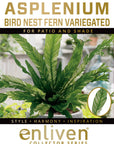
Fern Asplenium nidus Variegata - Perfectly Imperfect - sale
PLEASE NOTE THESE PLANTS ARE SHALLOW ROOTED and will be sent BARE ROOTED.
Description:
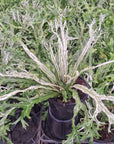
Asplenium nidus 'Variegata', also known as the Variegated Bird's Nest Fern, is a stunning fern species characterised by its broad, wavy-edged fronds with striking variegation. The fronds feature creamy-white streaks or margins, contrasting beautifully with the bright green foliage. The plant forms a rosette shape, resembling a bird's nest, which is how it gets its common name. This fern is prized for its elegant appearance and ability to add a touch of tropical charm to any indoor space. It’s ideal for growing in low-light areas, making it a popular choice for indoor gardens.
Care Plan for Asplenium nidus 'Variegata'
Light:
Asplenium nidus 'Variegata' prefers low to medium indirect light. Direct sunlight should be avoided, as it can cause the delicate fronds to scorch and the variegation to fade. It can tolerate lower light levels but will grow slower in such conditions.
Water:
Water when the top 2–3 cm of the soil feels dry. Keep the soil consistently moist but not soggy, as this can lead to root rot. When watering, avoid pouring water directly into the "nest" of the fern, as this can cause rot in the crown. Ensure the pot has proper drainage.
Humidity:
This fern loves high humidity, ideally around 60–80%. Regular misting, a pebble tray, or a humidifier can help maintain humidity levels, especially in dry environments or during winter months.
Temperature:
Keep temperatures between 18°C to 27°C. The fern is sensitive to cold drafts and should not be exposed to temperatures below 15°C. Keep it in a stable, warm environment.
Soil:
A well-draining, rich potting mix is ideal. A mix that retains some moisture but doesn’t stay soggy works best. You can use a blend of regular potting soil with added perlite or orchid bark for aeration.
Fertiliser:
Feed the fern monthly during spring and summer with a diluted, balanced liquid fertiliser. Avoid over-fertilising, as this can damage the fronds. During autumn and winter, reduce feeding to once every two months or stop altogether as the plant’s growth slows.