



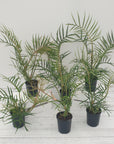
Philodendron tortum
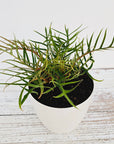
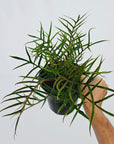
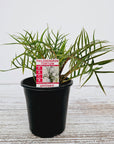
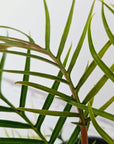
The Philodendron tortum is an evergreen plant with long, slender stems. The leaves are the most distinctive feature of this plant and oval or elongated in shape, with wavy margins that give them a unique appearance. They have a glossy texture and typically dark green in colour, providing a lush and tropical aesthetic.
- Light: Philodendron tortum prefers bright, indirect light. It thrives in moderate to high light conditions but should be protected from direct sunlight, which can scorch its leaves.
- Temperature: The ideal temperature range for Philodendron tortum is between 18°C and 27°C. It is essential to avoid exposing the plant to temperatures below 13°C or sudden temperature fluctuations.
- Watering: Philodendron tortum appreciates consistent and moderate watering. Allow the top inch (2.5 cm) of the soil to dry out between waterings, and then water thoroughly until the excess water drains out. Avoid overwatering or letting the plant sit in standing water.
- Humidity: This plant thrives in high humidity environments. If the air in your home is dry, you can increase humidity by using a humidifier, placing the plant on a pebble tray filled with water, or misting the leaves regularly.
- Soil: Philodendron tortum prefers well-draining and fertile soil. A mixture of peat moss, perlite, and organic compost can provide a suitable growing medium. Ensure that the soil is moist but not waterlogged.
- Fertilizer: Feed the Philodendron tortum with a balanced, water-soluble fertilizer every two to four weeks during the growing season (spring and summer). Follow the instructions on the fertilizer packaging for proper dilution and application.
- Pruning: Pruning is not necessary for the Philodendron tortum, but you can trim any yellowing or damaged leaves to maintain its appearance. You can also prune the plant to control its size and shape if it becomes too unruly. Use clean, sharp pruning shears and make cuts just above a leaf node or joint.
Remember to regularly inspect your plant for signs of pests such as mealybugs or spider mites. If infestations occur, treat them promptly using an appropriate insecticidal soap or horticultural oil, following the instructions provided.