


Piper Sylvaticum
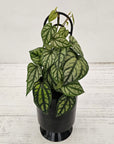
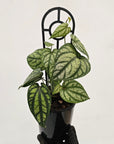
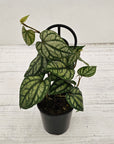
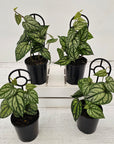
Piper sylvaticum, is a unique and attractive member of the Piperaceae family, native to the tropical regions of Asia. It features heart-shaped, dark green leaves with a glossy surface and a subtle sheen, the leaves can turn a silvery pink when introduced into higher indirect light. Adding a touch of elegance to any collection. The plant has a climbing habit and can reach several metres in height when given proper support, making it well-suited for trellises, hanging baskets, or as a trailing houseplant.
Care Plan:
Light: Piper sylvaticum prefers bright, indirect light. It can tolerate lower light conditions, but its growth may slow, and the leaves may lose some of their vibrant colour. Avoid direct sunlight, as this can cause the leaves to burn or develop brown spots.
Watering: Water the plant regularly, keeping the soil consistently moist but not waterlogged. Allow the top 2-3 cm of soil to dry out slightly between waterings. During the warmer months, more frequent watering may be necessary, while in cooler months, reduce the frequency to prevent overwatering.
Humidity: This plant thrives in high humidity, around 60-80%. To maintain adequate humidity, mist the leaves regularly, place the plant on a tray of pebbles with water, or use a humidifier. High humidity will help the plant maintain its lush appearance.
Temperature: Piper sylvaticum prefers warm temperatures ranging from 20-28°C. Protect it from cold drafts and ensure it is not exposed to temperatures below 15°C, which can stress the plant and stunt its growth.
Soil: Use a well-draining potting mix that retains some moisture. A mix of peat, perlite, and orchid bark or compost is ideal. The soil should be rich in organic matter to support healthy growth.
Fertilising: Feed the plant every 4-6 weeks during the growing season (spring and summer) with a balanced, water-soluble fertiliser diluted to half strength. This will encourage healthy growth and vibrant foliage. There's no need to fertilise during the winter months when the plant's growth naturally slows.