


Chamaedorea elegans Parlour Palm Variegated
Chamaedorea elegans ‘Variegata’ – Variegated Parlour Palm
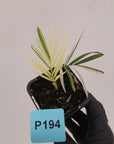
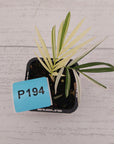
Chamaedorea elegans ‘Variegata’, commonly known as the Variegated Parlour Palm, is a rare and eye-catching form of the classic Parlour Palm. Its elegant, arching fronds feature slender green leaflets decorated with creamy white to pale yellow variegation, giving each plant its own unique pattern.
With its graceful tropical appearance and compact growth habit, the Variegated Parlour Palm makes a beautiful indoor feature plant. It is relatively slow growing and, like other variegated plants, benefits from brighter conditions than its fully green counterpart to help maintain strong, attractive variegation.
Care Plan for Chamaedorea elegans ‘Variegata’
Light:
Prefers bright, indirect light to encourage healthy growth and maintain its variegation. It can tolerate moderate light, but growth may slow and variegation may become less pronounced. Avoid harsh direct sunlight, which can scorch the lighter sections of the foliage.
Water:
Water when the top 2–3 cm of soil feels dry. Keep the growing media lightly and consistently moist without allowing it to become waterlogged. Ensure the pot has good drainage, as prolonged wet conditions can lead to root rot.
Humidity:
Prefers moderate to high humidity, ideally around 50–70%. Higher humidity can help keep the delicate leaf tips looking their best, particularly in warm or air-conditioned environments.
Temperature:
Thrives between 18–28°C. Protect from cold temperatures, sudden temperature changes and draughts.
Soil:
Use a rich but well-draining indoor plant mix. Adding perlite, fine orchid bark or coco chips can improve aeration and drainage around the roots.
Fertiliser:
Feed with a balanced liquid fertiliser at half strength every 4–6 weeks during the warmer growing months. Reduce feeding during cooler periods when growth naturally slows.
Additional Information:
Variegation can vary considerably between individual plants and even between fronds on the same plant. The pale portions of the foliage contain less chlorophyll and are naturally more sensitive to excessive sunlight, fertiliser and environmental stress. Some minor browning on highly variegated sections can occur and is not unusual.